Tournament-Linked Boosts: How Major Events Influence Temporary Sports Wagering Offers
Written by Sage Patterson · Jul 31, 2026
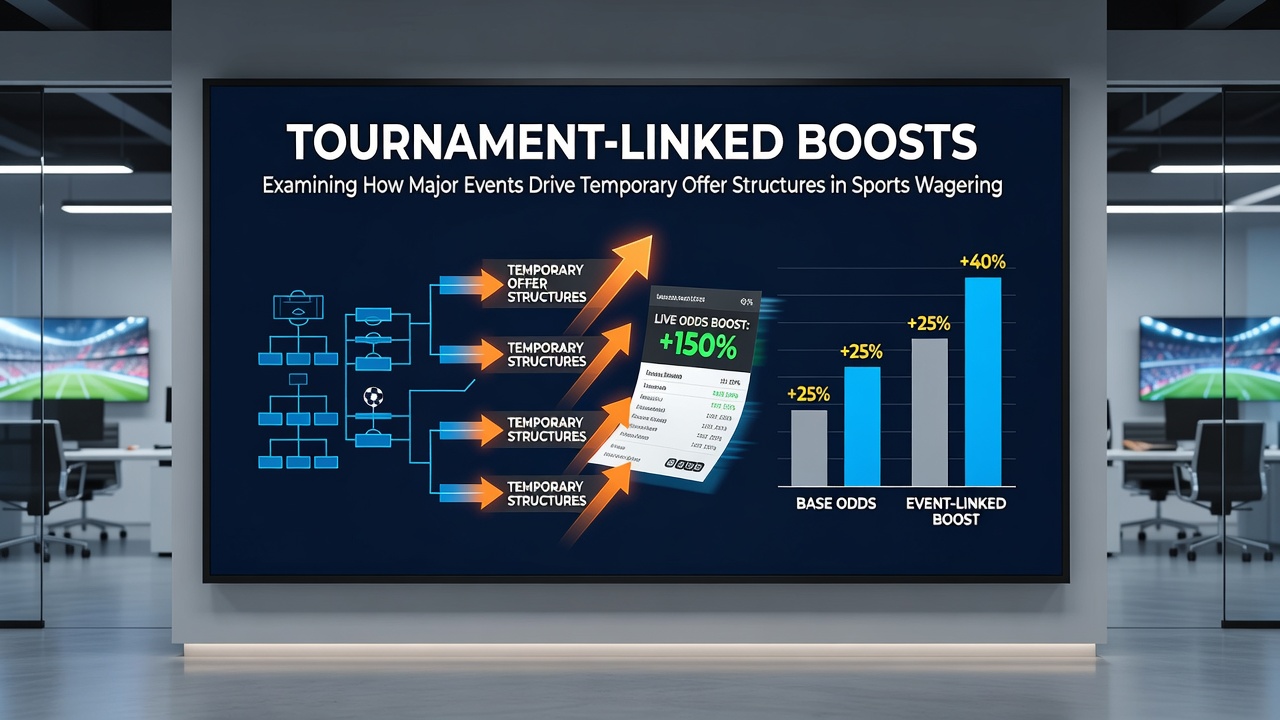
Tournament-Linked Boosts: How Major Events Influence Temporary Sports Wagering Offers
Operators in the sports wagering sector adjust their promotional structures whenever large-scale tournaments approach, adn these adjustments typically include enhanced odds, deposit matches, and risk-free bet structures that last only for the duration of the event. Data from industry tracking services show that offer volume increases by measurable percentages during periods such as the FIFA World Cup cycle or the Olympic Games, with the 2026 FIFA World Cup qualification phase already prompting early adjustments in several markets as July 2026 approaches.
Event Calendars and Offer Timing
Bookmakers align temporary promotions with fixed tournament schedules because participant engagement rises sharply when national teams or star athletes compete on global stages. Observers note that operators release these structures weeks before opening matches and withdraw them shortly after finals conclude, creating clear start and end dates that coincide with broadcast windows. Figures from North American gaming regulators indicate that bet volumes on associated markets climb during these windows, which in turn supports the business case for short-term incentives.
Common Offer Formats Linked to Tournaments
Enhanced odds appear most frequently on specific matches or player performances, while deposit match offers often carry wagering requirements tied to the number of tournament games remaining. Accumulator boosts and cash-out incentives also surface in patterns that reflect bracket stages, with later rounds receiving larger multipliers as fewer teams remain. Studies from academic researchers at institutions tracking consumer behavior confirm that these formats encourage multi-bet activity without altering core house-edge calculations on the underlying markets.
Regional Regulatory Approaches to Temporary Promotions
Authorities in different jurisdictions apply varying rules to time-limited offers. The Nevada Gaming Control Board requires operators to publish clear terms for any event-linked promotion, including expiration dates and eligibility criteria, while Australian state regulators monitor advertising language to ensure claims about boosted returns remain accurate. These frameworks aim to maintain transparency as operators scale promotions around events such as the upcoming 2026 FIFA World Cup matches scheduled across multiple host nations.
One documented pattern shows operators in European markets extending free bet credits to new accounts opened during the group stage, whereas North American platforms more often emphasize same-game parlay boosts during knockout rounds. Both approaches tie directly to the calendar of matches rather than operating as year-round features.
Market Data and Participation Shifts
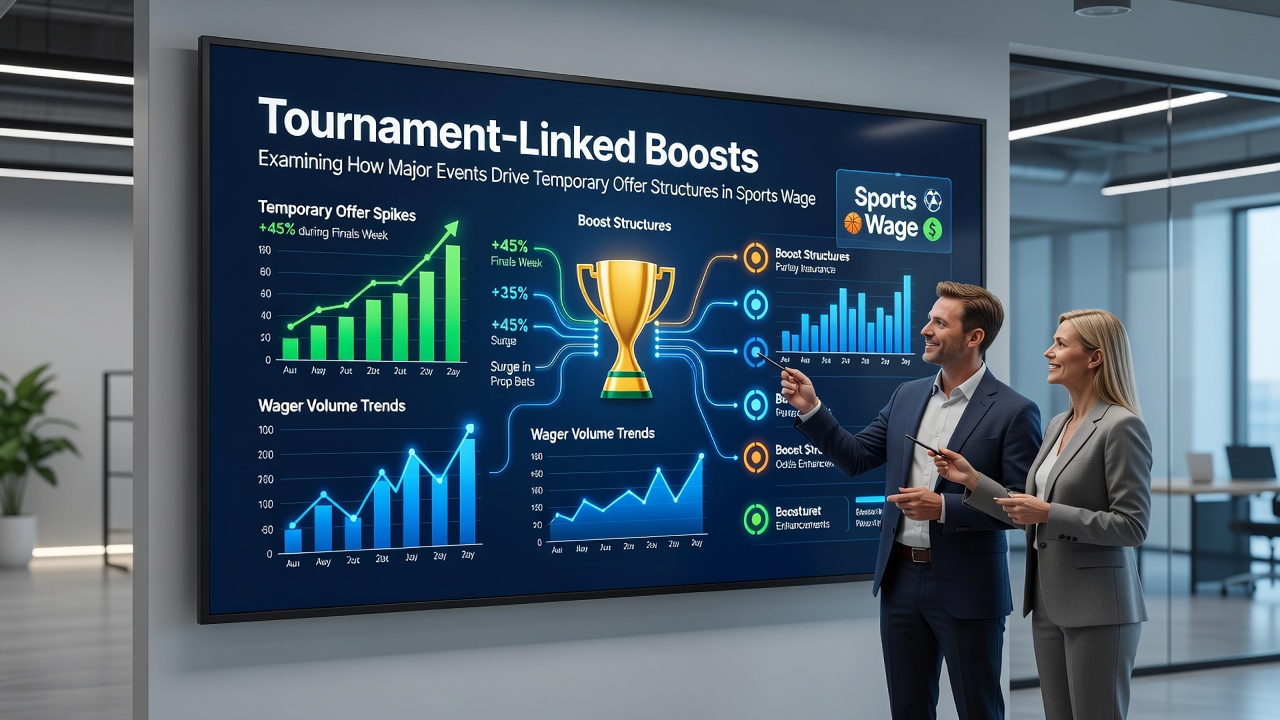
Reports compiled by the Canadian Gaming Association reveal that sports wagering handle expands during major events, with temporary promotions cited as one contributing factor alongside increased media coverage. Similar patterns appear in data released by the New Jersey Division of Gaming Enforcement, where handle on soccer and basketball markets spikes when international tournaments overlap with domestic seasons. These increases occur alongside the rollout of event-specific offers rather than in isolation.
Operators track redemption rates closely because temporary structures must generate sufficient activity to justify the added liability. When a promotion tied to a particular tournament underperforms, the same operator often adjusts parameters for the next event, shortening duration or narrowing eligible markets. This iterative process relies on internal metrics rather than external mandates in most jurisdictions.
Technology Supporting Rapid Offer Deployment
Modern betting platforms use automated systems that allow new promotions to activate on predetermined dates and deactivate once the tournament concludes. These systems integrate with risk-management engines that adjust odds in real time as team lineups and injury reports become available. The result is a narrower window between offer announcement and live availability, which aligns with the compressed timelines of major events.
Conclusion
Tournament-linked boosts represent a recurring mechanism through which sports wagering operators respond to predictable spikes in public interest. Available regulatory data and industry reports indicate that these temporary structures follow consistent timing patterns, adopt familiar formats, and operate within existing compliance frameworks across multiple regions. As the 2026 FIFA World Cup draws nearer, further examples of such offers will likely appear in line with established practices.