The Development of Layered Loyalty Programs and Recurring User Habits in Betting Software
Written by Dana Hartmann · Jul 17, 2026
The Development of Layered Loyalty Programs and Recurring User Habits in Betting Software
Layered loyalty programs and recurring user habits emerged gradually in betting software as operators responded to user retention challenges and competitive pressures across digital platforms. Early wagering applications relied primarily on one-time sign-up incentives, yet developers soon recognized that sustained participation required ongoing structures to maintain activity levels. Industry observers trace these changes to the mid-2010s when mobile adoption accelerated and user data analytics became more sophisticated.
Initial Shifts from Single Offers to Progressive Systems
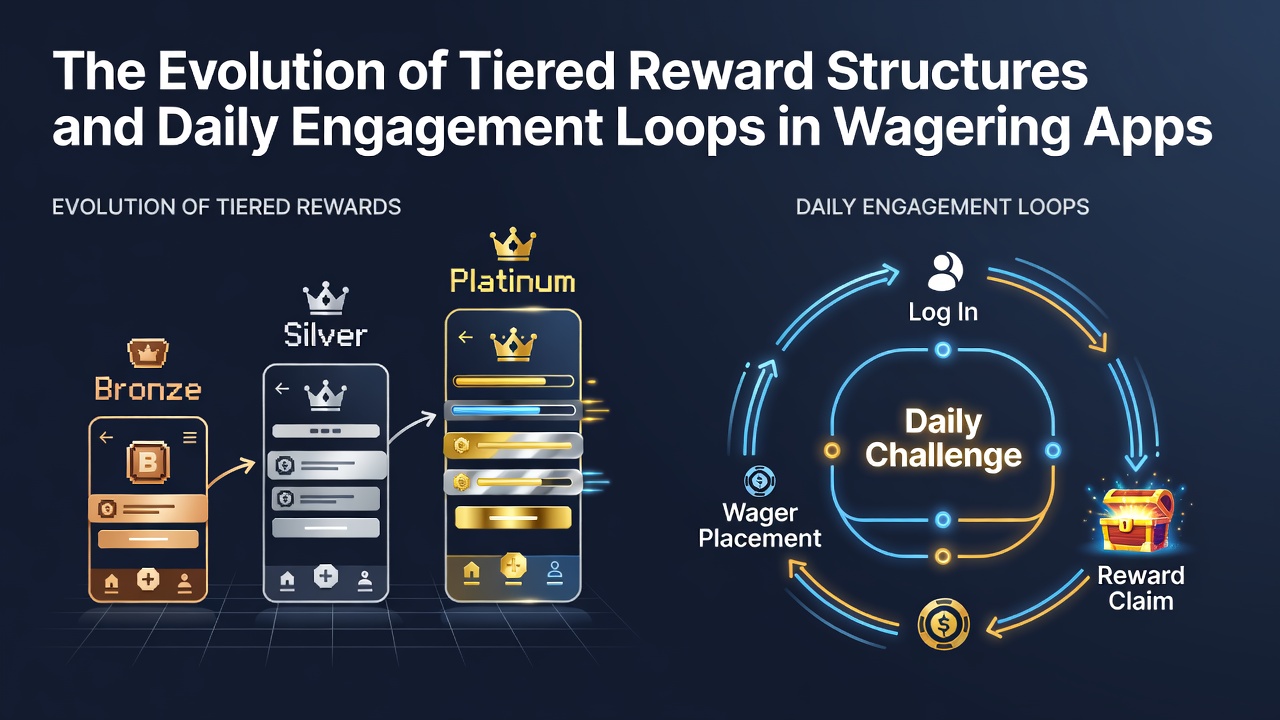
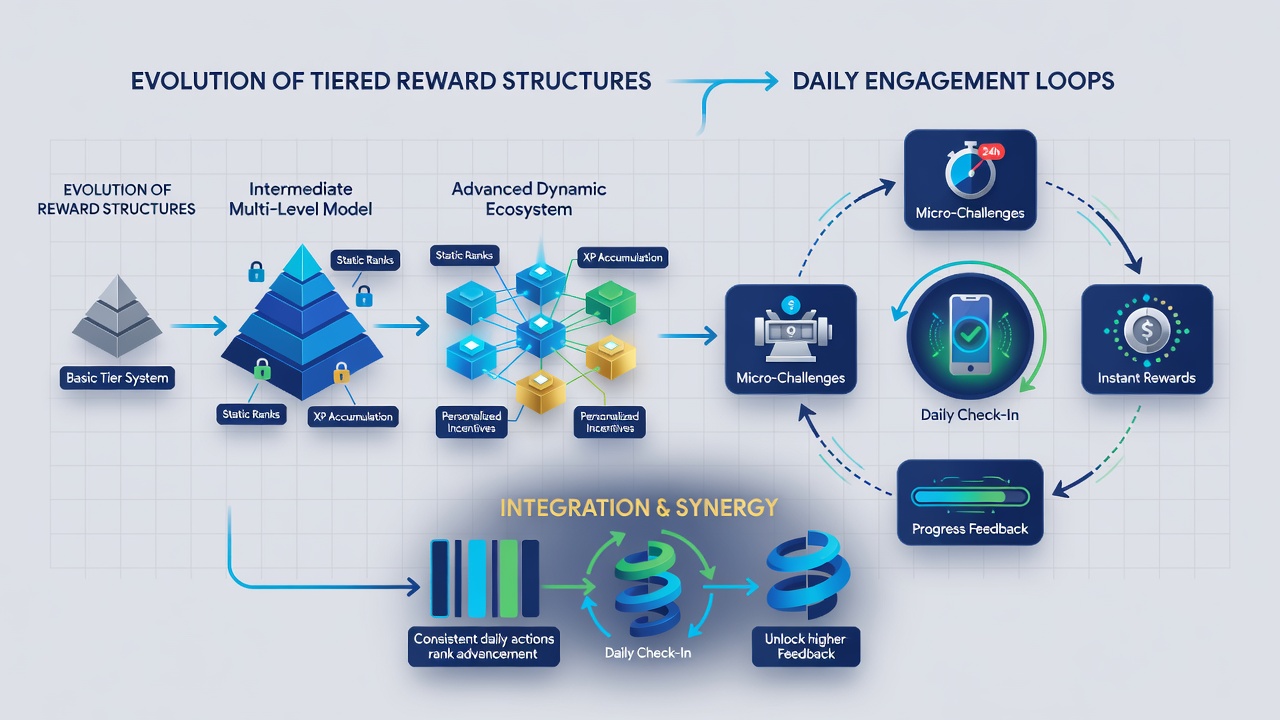
Simple deposit matches and free credits dominated the landscape until around 2015, when several major platforms began testing multi-stage reward ladders that unlocked additional benefits based on cumulative wagering volume. These early tiered structures assigned users to bronze, silver, or gold categories depending on activity thresholds, with higher levels granting faster withdrawal processing and exclusive event access. Data from the American Gaming Association indicates that such programs increased average session frequency by measurable margins in participating markets.
Operators integrated points accumulation mechanics that converted into cashback or bonus credits, creating a feedback loop where continued play directly influenced reward availability. This approach differed from previous flat-rate promotions because it encouraged users to track personal progress over weeks or months rather than completing isolated actions.
Emergence of Daily Engagement Patterns
Daily login requirements and streak-based bonuses appeared shortly afterward as developers sought to embed routine behaviors into user schedules. Platforms introduced calendar-style interfaces that awarded incremental credits for consecutive days of activity, while missing a day reset progress and reduced potential payouts. Research published through the International Center for Gaming Regulation at the University of Nevada documented how these loops capitalized on variable reward timing to sustain attention across different demographic groups.
By 2019 many applications combined tier progression with daily tasks such as placing minimum bets or participating in specific game modes. Users who maintained streaks often received multiplier effects that applied to both their regular wagers adn their loyalty point earnings, reinforcing the connection between consistent engagement and accelerated advancement through reward levels.
Integration of Advanced Mechanics by Mid-2020s
Further refinements occurred as machine learning algorithms began personalizing daily challenges according to individual betting histories and preferred sports or casino titles. A user focused on football accumulators might receive tailored streak missions involving related markets, while another concentrating on slots encountered different daily objectives. These adjustments coincided with broader regulatory updates in various jurisdictions that emphasized responsible play features within loyalty frameworks.
By July 2026 numerous platforms had expanded these systems to include seasonal events that temporarily altered tier benefits or introduced limited-time daily loops tied to major sporting calendars. Reports from the Australian Communications and Media Authority note that engagement metrics in licensed online wagering environments reflected higher retention rates among users enrolled in such dynamic programs compared with those relying solely on static welcome offers.
Technical and Regulatory Influences on Current Designs
Developers now incorporate real-time dashboards that display progress toward the next tier alongside countdown timers for daily rewards, allowing users to monitor advancement without leaving the main application interface. Security protocols ensure that automated detection systems flag unusual activity patterns that might indicate manipulation of streak requirements or tier thresholds.
Industry associations such as the European Gaming and Betting Association have published guidelines encouraging transparent communication of how daily loops and tier criteria function, including clear explanations of reset conditions and reward calculations. These measures emerged partly in response to user feedback collected through platform surveys and partly from evolving compliance expectations across multiple regions.
Conclusion
The progression from basic promotional tools to integrated tiered rewards combined with daily engagement loops reflects ongoing adaptation within wagering software to user behavior patterns and technological capabilities. Current implementations continue to evolve through data-driven adjustments while operating under frameworks established by regulatory bodies in different markets. Observers note that these structures now form a core component of how applications maintain long-term participation across diverse user bases.