Loyalty Programs Transform Reward Structures for Frequent Bettors in Sports and Casino Markets
Written by Sofia Bauer · Aug 23, 2026
Loyalty Programs Transform Reward Structures for Frequent Bettors in Sports and Casino Markets
Understanding Tiered Loyalty Mechanics
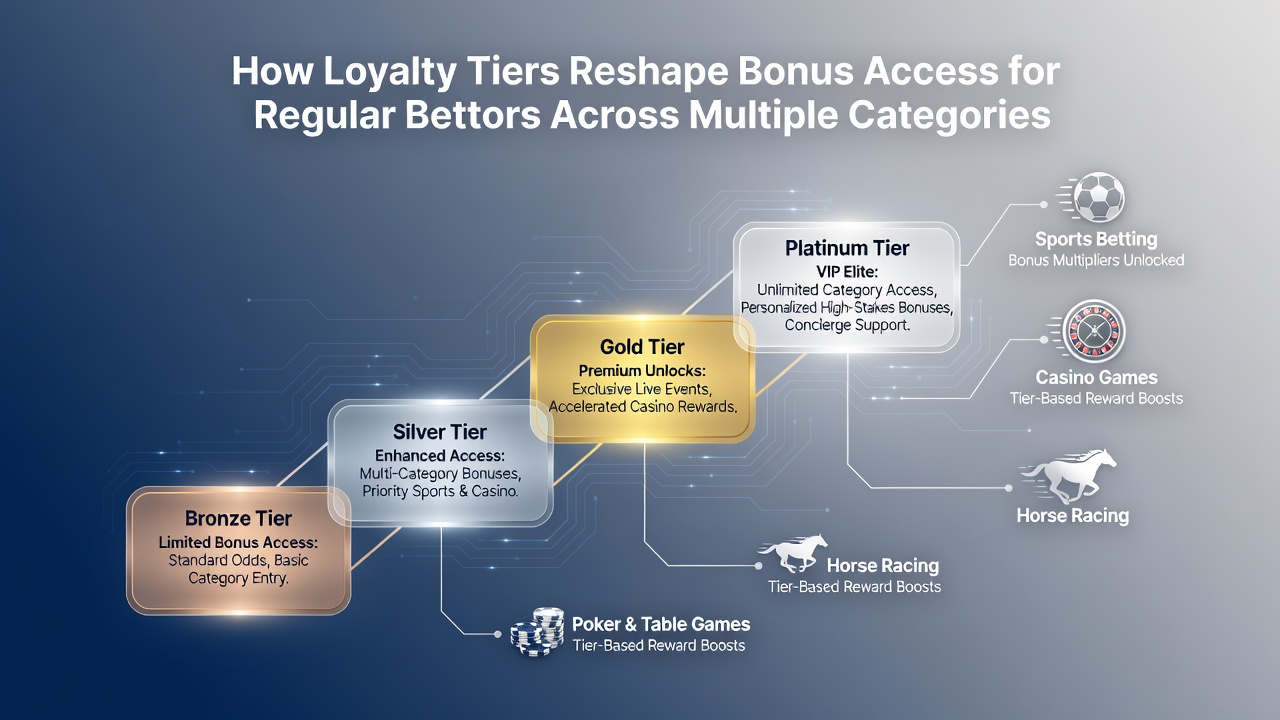
Operators structure loyalty programs through ascending levels that unlock additional bonus features as bettors accumulate activity points over defined periods, and this approach shifts how regular participants gain access to promotions across sports betting, casino games, and live dealer options. Points typically derive from wager volume, deposit frequency, and account tenure, which means consistent users progress faster than occasional players while operators maintain control over reward distribution.
Data from industry reports shows that tier systems now cover multiple verticals simultaneously, allowing points earned in sports markets to contribute toward casino bonus eligibility and vice versa. Such integration creates pathways where regular bettors reach mid-tier status within three to six months of steady participation, and higher tiers deliver enhanced deposit matches, reduced wagering requirements, and priority access to limited-time offers.
Category-Specific Bonus Adjustments
Sports betting sections often grant tiered users access to boosted accumulator odds and cashback on losing streaks, whereas casino environments provide free spins, loyalty cash, and exclusive slot tournaments once thresholds are met. Poker rooms follow similar patterns with rakeback percentages that scale according to volume, and this cross-category application means one loyalty account services several product types without separate tracking systems.
Observers note that operators introduced these unified structures around early 2025, and by August 2026 many platforms report that over 60 percent of bonus redemptions originate from tiered accounts rather than standard welcome packages. Regular bettors therefore encounter fewer generic offers and more personalized rewards calibrated to their established activity patterns.
Progression Requirements and Retention Effects
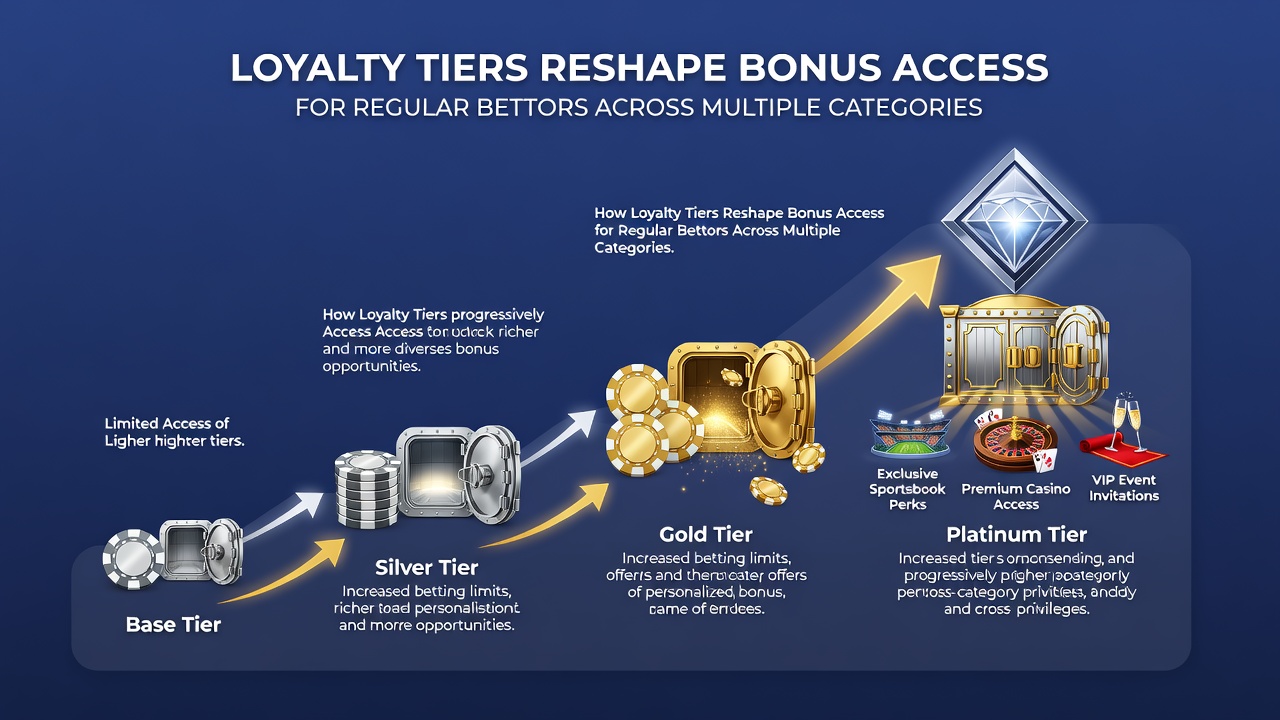
Entry into the first paid tier generally demands a minimum monthly deposit total combined with a set number of active days, while subsequent levels require sustained volume that increases incrementally. Operators adjust these benchmarks seasonally, and figures from regulatory filings in multiple jurisdictions reveal that players who maintain activity across at least two product categories reach top tiers at higher rates than single-category users.
Those who've studied retention patterns find that tiered access reduces churn because participants work toward the next reward bracket, and this behavioral loop strengthens when bonuses span sports, casino, and virtual games simultaneously. Data indicates that mid-tier members receive weekly reload offers unavailable to base-level accounts, which further encourages consistent engagement across different wagering types.
Regional Regulatory Influences
Authorities in several markets require transparent disclosure of tier criteria and bonus terms, which has prompted operators to publish clear progression tables and expiry rules. A report from the Nevada Gaming Control Board highlights how tiered structures must comply with player fund protection standards, and similar guidelines appear in Australian oversight documents that emphasize fair access for regular participants.
These requirements influence how programs operate across borders, and operators adapt point-earning rates or bonus values to align with local rules while preserving the core mechanic of rewarding sustained activity. Regular bettors therefore encounter slight variations in tier benefits depending on their primary market, yet the overall structure remains consistent in linking volume to enhanced access.
Future Adjustments Expected in 2026
Platform updates scheduled for late 2026 aim to incorporate real-time tier tracking within mobile applications, and early tests show that users respond positively to instant notifications when new bonus categories unlock. Industry analyses suggest that cross-category point pooling will expand further, allowing activity in emerging areas such as prediction markets to contribute toward traditional sports and casino rewards.
Regular bettors who maintain multi-category participation stand to gain the most from these developments, since operators continue refining algorithms that personalize offers based on historical data rather than uniform promotions. The result is a landscape where loyalty tiers function as the primary gateway to bonus variety, replacing earlier reliance on one-time welcome incentives.
Conclusion
Loyalty tiers have established a measurable framework that reallocates bonus access according to demonstrated activity across sports, casino, and related categories. Regular bettors experience this shift through progressive unlocks that reward sustained participation, and operators gain retention tools that align rewards with actual usage patterns. As programs evolve through 2026, the emphasis remains on transparent criteria and integrated tracking that serves participants active in multiple wagering segments.