Loyalty Evolution: Progressive Incentives Reshaping UK Sports Betting Habits in 2026
Written by Dana Hartmann · Aug 16, 2026
Loyalty Evolution: Progressive Incentives Reshaping UK Sports Betting Habits in 2026
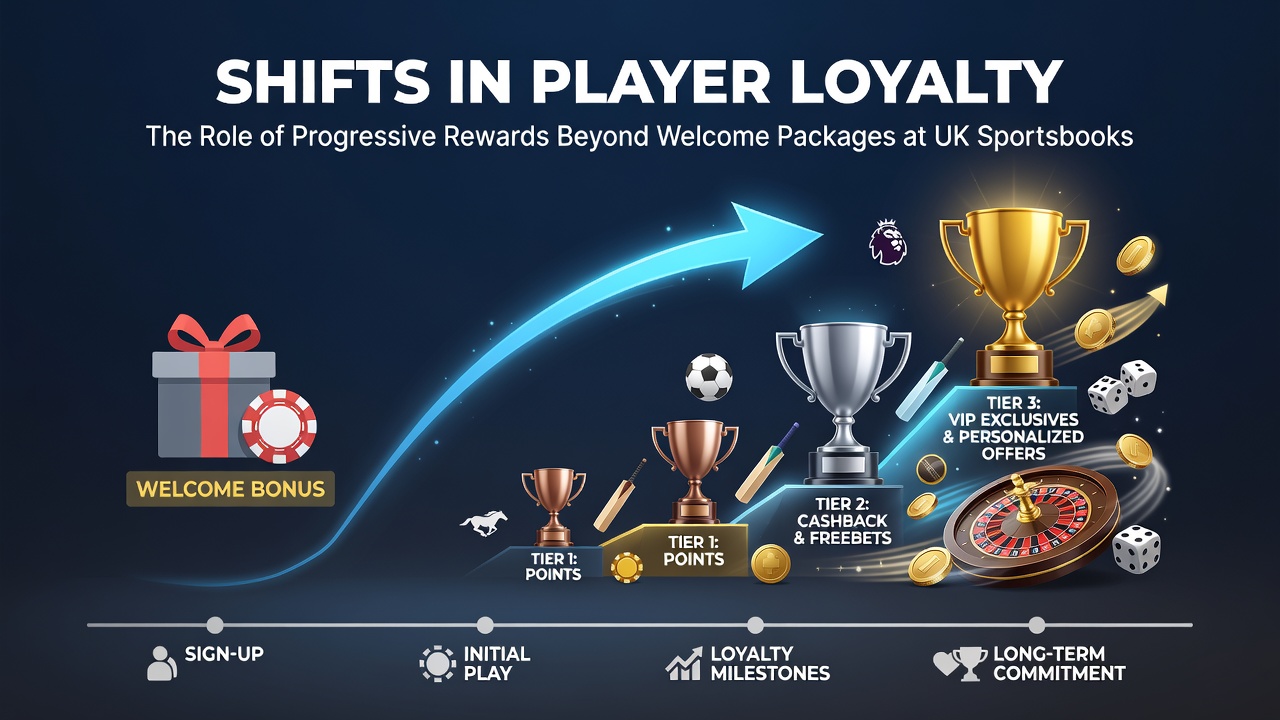
UK sportsbooks have expanded their reward systems well past initial sign-up offers, and data shows these changes affect how players maintain long-term accounts with betting platforms. Operators now structure ongoing promotions around activity levels, deposit frequency, and betting volume, which creates layered incentives that replace one-time welcome packages with recurring benefits. As of August 2026, several major platforms report that players who engage with these progressive structures tend to extend their account activity across multiple months rather than concentrating wagers in the first few weeks.
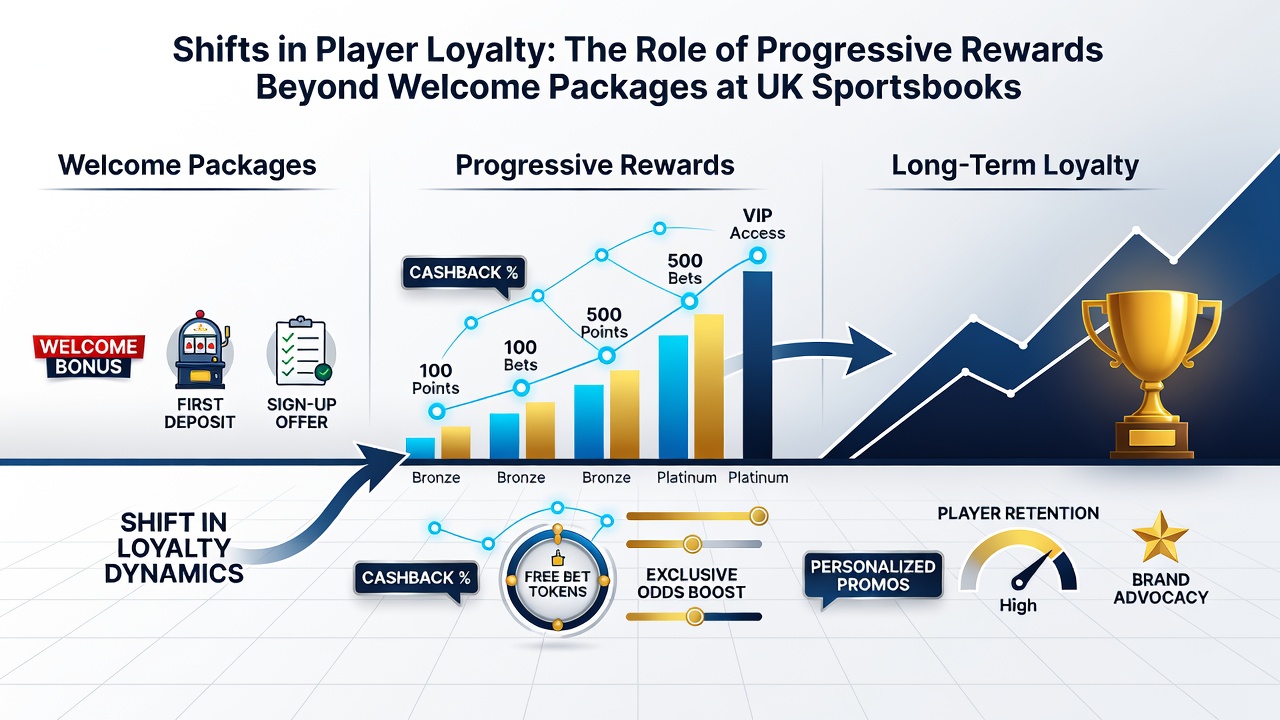
Research from industry analysts indicates that loyalty tiers function through point accumulation tied directly to stake amounts, where each tier unlocks cashback percentages, enhanced accumulator odds, or exclusive event access. One major operator documented a 22 percent increase in repeat deposits among users who reached the second loyalty level within 60 days of registration. These systems operate on sliding scales, so higher activity unlocks proportionally larger returns without requiring separate bonus claims each time.
How Tiered Systems Replace Single Welcome Bonuses
Traditional welcome packages delivered a fixed free bet or deposit match that expired after a short period, whereas current models distribute rewards continuously based on cumulative play. Platforms calculate loyalty points daily and convert them into usable credits or risk-free bets at the end of each week or month. Observers note that this approach reduces the drop-off rate that previously occurred once initial bonuses cleared, because players see immediate value from ongoing participation rather than waiting for new promotions.
Studies conducted by the Responsible Gambling Council in Canada reveal similar patterns in regulated markets where loyalty mechanics correlate with sustained engagement when rewards scale with player spend. UK operators apply comparable mechanics, although they tailor point multipliers to specific sports or events during peak seasons such as Premier League weekends. The result appears in aggregated platform reports that track session length and total wagered amounts across loyalty cohorts.
Retention Data and Player Movement Patterns
Figures compiled by European betting trade groups show that accounts enrolled in multi-level reward programs demonstrate longer average lifespans than those limited to entry-level offers. Retention metrics improve when cashback rates increase at each tier, because players receive partial stake returns that can fund additional bets without new deposits. One analysis of 2025-2026 season data found that players who advanced two tiers within a calendar quarter placed 35 percent more bets on average than those who remained at the base level.
Platform operators adjust reward frequency according to seasonal betting calendars, which means football-heavy months feature boosted points on match-day wagers while cricket and tennis periods carry different multipliers. This scheduling keeps point-earning opportunities aligned with live events, and players who follow multiple sports can maintain momentum year-round. Data indicates that cross-sport participants reach higher tiers faster than single-sport bettors because they access more qualifying markets.
Implementation Across Major UK Platforms
Leading sites integrate loyalty dashboards directly into mobile apps, allowing real-time tracking of points, current tier status, and upcoming reward thresholds. Some operators add milestone bonuses at fixed intervals, such as a free bet after every 10 qualifying wagers, which stacks alongside tier benefits. These combined mechanics create multiple reward pathways that operate simultaneously rather than in sequence.
Academic reviews published through university research centers in Australia have examined how similar loyalty frameworks influence deposit behavior in other jurisdictions. The findings suggest that visible progress indicators, like progress bars and tier badges, encourage players to adjust betting patterns to hit the next reward bracket. UK platforms apply these design elements consistently, and internal metrics show accelerated tier advancement when visual feedback updates after each settled bet.
Regulatory Context and Industry Standards
Current UK rules require clear disclosure of all reward terms, including point expiration dates and conversion rates, which operators publish in dedicated loyalty sections. Compliance teams monitor these programs to ensure they do not create unintended incentives that conflict with responsible gambling standards. Industry associations have issued guidelines that encourage operators to separate loyalty rewards from deposit requirements, allowing players to earn points through free-to-play prediction games or viewing challenges in some cases.
External audits verify that progressive rewards remain available across all account types, preventing any perception that only high-volume players benefit. Reports from these audits appear in operator transparency statements released quarterly, and they document participation rates broken down by tier. The data shows steady uptake at entry levels, with gradual movement upward as players accumulate activity over successive months.
Conclusion
Progressive reward structures now form a core component of how UK sportsbooks manage ongoing player relationships. By shifting emphasis from one-time welcome packages to continuous point-based systems, operators have created mechanisms that align reward delivery with sustained betting activity. Available data from multiple markets demonstrates measurable differences in account longevity and deposit consistency when these layered incentives operate alongside standard betting markets. As platforms refine tier thresholds and reward types through 2026, the pattern of extended engagement continues to appear in operational statistics across the sector.