Loyalty Evolution in Regulated Betting: From Initial Incentives to Sustained Tier Benefits
Written by Sage Patterson · Jul 24, 2026
Loyalty Evolution in Regulated Betting: From Initial Incentives to Sustained Tier Benefits
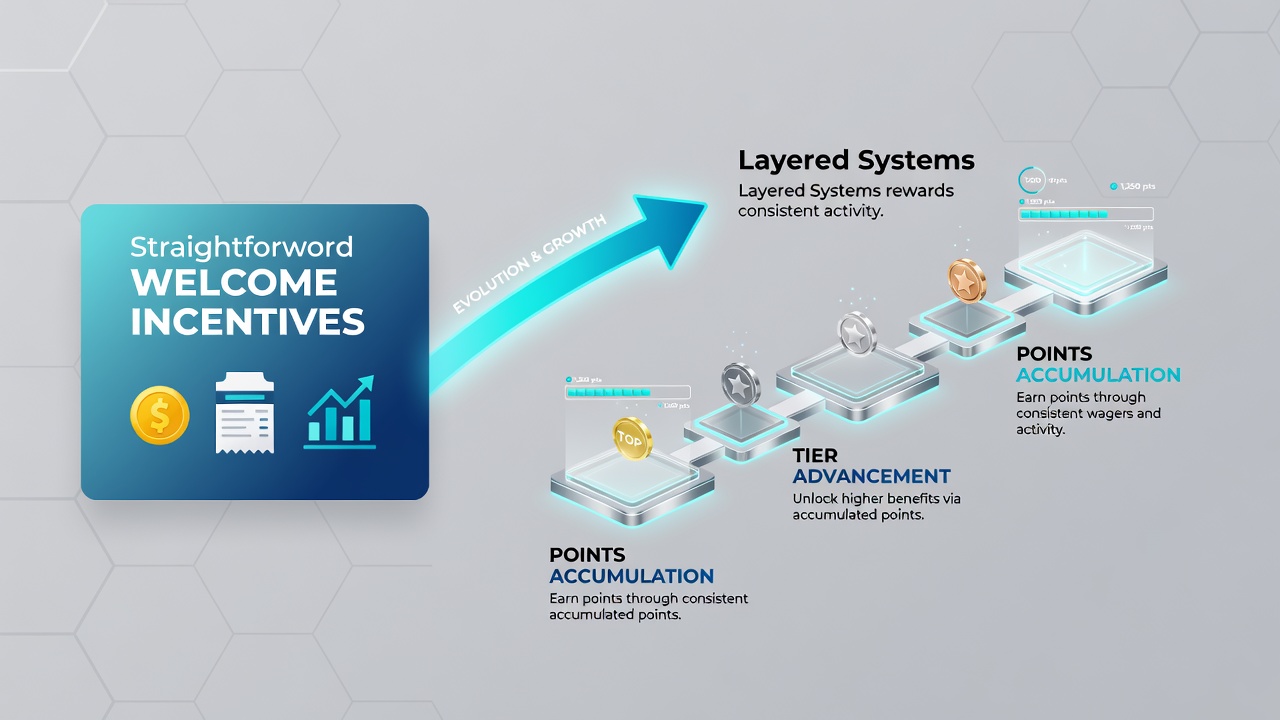
Loyalty structures at licensed betting sites often begin with straightforward welcome incentives yet evolve into layered systems that reward consistent activity through points accumulation and tier advancement, and operators across multiple jurisdictions have documented these progressions in their public program guidelines since the early 2020s. Research from the Canadian Gaming Association shows that many platforms initiate engagement with deposit matches or free bet credits before shifting focus toward ongoing participation metrics that unlock higher reward levels over time. Those who've examined operator disclosures note that point systems typically convert wagers into redeemable credits at fixed ratios, while tier status depends on cumulative activity thresholds that reset on annual cycles.
Foundational Welcome Mechanisms
Welcome packages at regulated operators usually combine matched deposits with limited-time free bets or spins, and these entry-level offers serve as the baseline before any loyalty tracking begins. Data from the New Jersey Division of Gaming Enforcement indicates that such incentives attract new accounts yet represent only the starting point in longer customer journeys that extend into recurring reward cycles. Operators then transition participants into points-based tracking where every qualifying wager contributes to a running total that determines future benefits.
Points Accumulation and Daily Engagement
Points programs convert betting volume into numerical values that players exchange for cashback, bonus credits, or merchandise, and these mechanisms encourage regular logins through daily login streaks or weekly challenges. In July 2026 several European operators reported increased redemption rates during major summer tournaments, with points multipliers applied to football and tennis markets. Observers note that the conversion rates vary by operator, yet the underlying structure remains consistent across licensed platforms that publish their terms in accessible formats.
Tier Advancement Structures
Tier systems divide participants into progressive levels such as bronze, silver, gold, and platinum, each carrying distinct advantages including faster withdrawals, dedicated support access, and enhanced points earning rates. Advancement requires meeting activity targets measured in points or total stakes over set periods, and data from industry reports reveal that higher tiers often include birthday bonuses plus exclusive event invitations. Those who've tracked program changes observe that some operators now incorporate seasonal resets that allow players to maintain status through targeted challenges rather than pure volume alone.

Hybrid programs blend sports betting activity with casino play, allowing points from both verticals to contribute toward unified tier status, and this approach has gained traction among operators seeking to retain multi-product users. According to findings published by the Australian Institute of Family Studies, integrated tracking reduces fragmentation yet requires clear communication of eligibility rules to prevent confusion during redemption. Operators frequently publish leaderboards or progress bars that display current standing relative to the next threshold, which helps participants visualize advancement paths without additional support queries.
Regional Variations in Program Design
European operators tend to emphasize cashback percentages that scale with tier, whereas North American platforms more commonly highlight free bet credits tied to specific sports leagues. Australian regulators have documented that loyalty benefits must exclude certain high-risk products to align with harm minimization standards, and similar restrictions appear in Canadian provincial frameworks. These differences create distinct user experiences even though the core mechanics of points and tiers remain comparable across borders.
Redemption Options and Program Transparency
Redemption catalogs range from direct account credits to physical goods or event tickets, and operators must disclose expiry rules plus any wagering requirements attached to converted rewards. Research indicates that transparent terms correlate with higher retention metrics in publicly available operator filings. Players who reach upper tiers often receive personalized offers that reflect their historical activity patterns, which adds another layer to the overall reward architecture.
Conclusion
Loyalty structures continue to expand beyond initial welcome incentives as operators refine points systems and tier ladders to match sustained participation patterns. Figures from multiple regulatory regions demonstrate that these layered approaches now form a central component of licensed betting operations worldwide, with ongoing adjustments tied to market events and seasonal calendars. The progression from simple entry offers to complex, activity-driven rewards reflects measurable shifts in how platforms manage long-term engagement under established licensing conditions.