Inside the Structure of Recurring Perks That Extend Beyond Welcome Packages
Written by Xander Reed · Aug 23, 2026

Inside the Structure of Recurring Perks That Extend Beyond Welcome Packages
Recurring perks in consumer programs often build on initial welcome offers through structured tiers that activate after the first interaction period ends, and these systems rely on data tracking to deliver ongoing benefits like bonus points or exclusive access. Researchers at various institutions have mapped how these layers operate across retail and subscription sectors, where initial sign-up incentives give way to sustained engagement mechanics that adjust based on usage patterns recorded in August 2026 reports from multiple markets.
Core Components of Tiered Reward Systems
Program designers separate recurring perks into categories that include points multipliers, personalized offers, and access privileges, each triggered by thresholds such as purchase frequency or account longevity. Data from industry analyses shows these components connect through algorithms that monitor activity, allowing the system to escalate rewards automatically when criteria are met. Observers note that this structure differs from one-time welcome packages because it requires continuous input from users rather than a single action, which creates a feedback loop documented in studies from North American and European sources.
One example appears in e-commerce platforms where base membership grants standard shipping while higher tiers unlock priority handling and early product previews after several months of consistent orders. Figures from regulatory filings indicate that such progressions maintain participation rates when the perks align with user habits tracked over quarterly intervals.
Integration with User Data and Automation
Automation plays a central role as platforms collect transaction details and preference signals to refine perk delivery, and this process draws on machine learning models that predict which incentives will sustain activity. According to reports from the Federal Trade Commission, transparency requirements in the United States emphasize clear disclosure of how data influences reward calculations, which affects program design in multiple regions. In parallel, Canadian government analyses highlight similar mechanisms where recurring benefits adjust seasonally to match spending cycles observed in 2026.
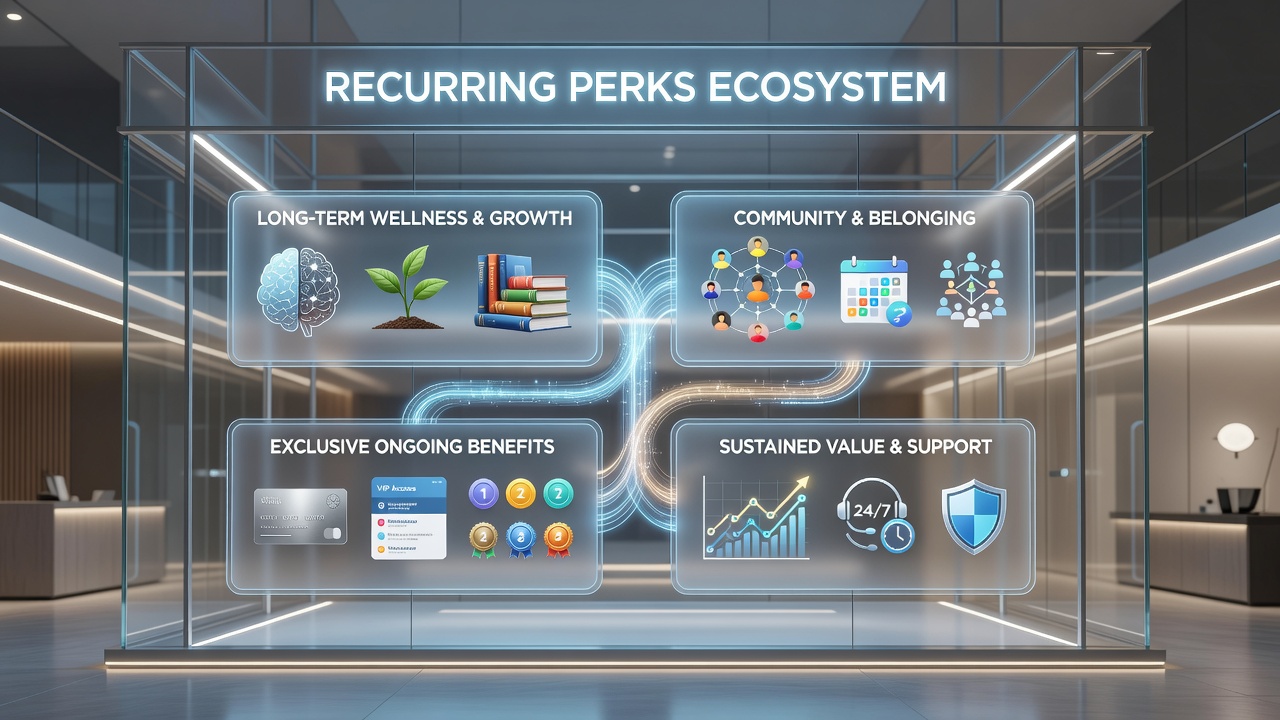
Those who examine these systems find that integration extends to third-party partners, allowing perks such as cross-brand discounts to activate without manual intervention. Evidence from academic reviews reveals that the automation reduces administrative overhead while increasing the precision of offers distributed to segmented user groups.
Regional Variations in Program Design
European Union guidelines shape how recurring perks function by mandating opt-in features for data usage, which influences the rollout of ongoing rewards in member states. Australian regulatory documents from the same period describe comparable frameworks where loyalty structures incorporate environmental or community-based incentives that renew on an annual basis. These variations demonstrate how local rules alter the timing and scope of benefits that extend past initial enrollment phases.
Programs in Asia-Pacific markets often layer mobile app integrations that deliver location-specific perks, and data collected through these channels feeds back into the central system to update eligibility. Research indicates that such adaptations help maintain engagement across diverse demographic segments without relying solely on welcome-stage promotions.
Measurement of Long-Term Engagement Outcomes
Analytics tools track retention metrics tied to recurring perks, with organizations reporting uplift in repeat interactions when the structure includes milestone celebrations and surprise bonuses. University-led examinations in 2026 have quantified these effects through longitudinal datasets that compare cohorts exposed to different perk frequencies. The results show correlations between structured reward progression and sustained account activity across service categories.
Observers note that external factors like economic shifts in August 2026 prompted some operators to recalibrate thresholds, ensuring the recurring elements remained accessible amid changing consumer behaviors.
Conclusion
Structures supporting recurring perks rely on interconnected data systems, tiered eligibility rules, and regulatory compliance that together sustain benefits after welcome packages conclude. Information compiled from government agencies and research bodies across continents illustrates consistent patterns in how these programs evolve to match user patterns and legal standards.