Event Cycles Drive Matched Incentive Rollouts Among Global Operators
Written by Sofia Bauer · Jul 7, 2026
Event Cycles Drive Matched Incentive Rollouts Among Global Operators
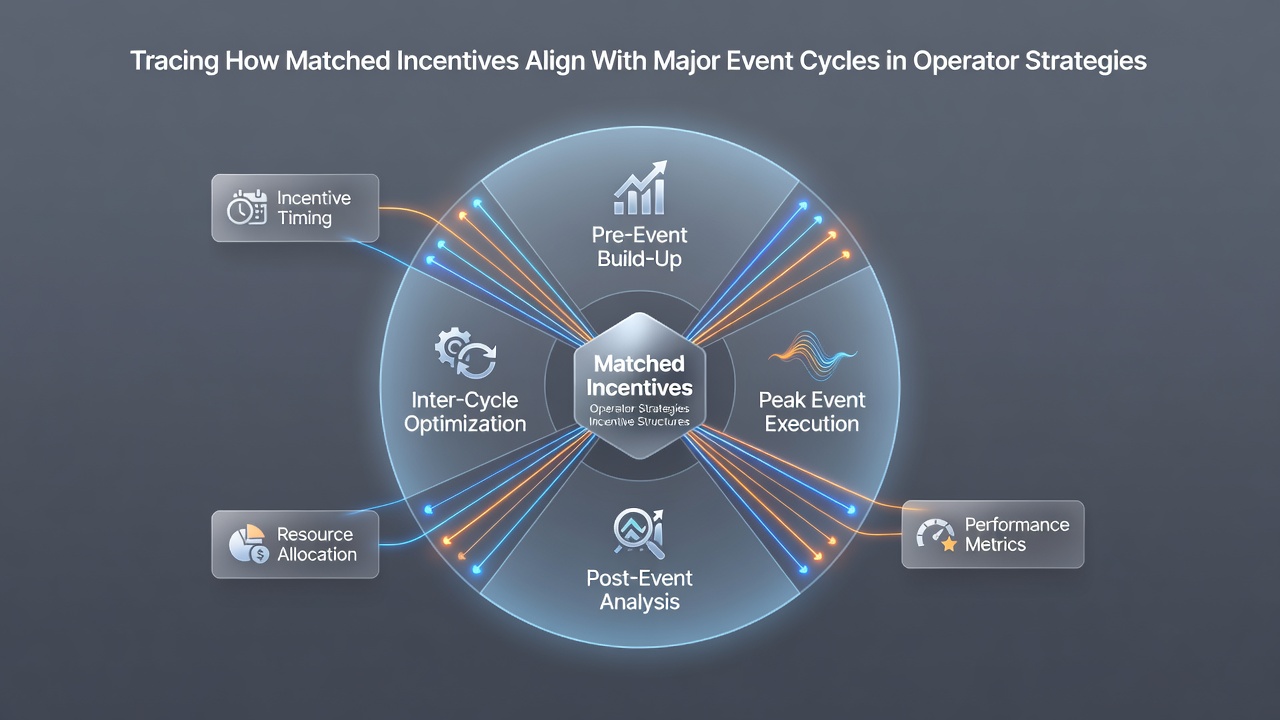
Operators structure matched incentives around predictable peaks in user activity that coincide with major sporting calendars, political contests, and entertainment milestones. Data from industry tracking services shows these promotions cluster ahead of high-profile tournaments because engagement metrics rise sharply during those windows. Matched deposit offers and bonus bet structures appear most frequently in the weeks leading into events such as continental football championships or major tennis slams.Timing Patterns Across Regions
European operators typically launch deposit match campaigns six to eight weeks before UEFA tournaments begin, whereas North American platforms accelerate similar offers around NFL kickoff and March Madness brackets. Australian operators follow a parallel rhythm tied to the AFL season and international cricket tours. These patterns emerge because traffic volume and average stake sizes increase when audiences anticipate live outcomes, prompting platforms to allocate marketing budgets accordingly.
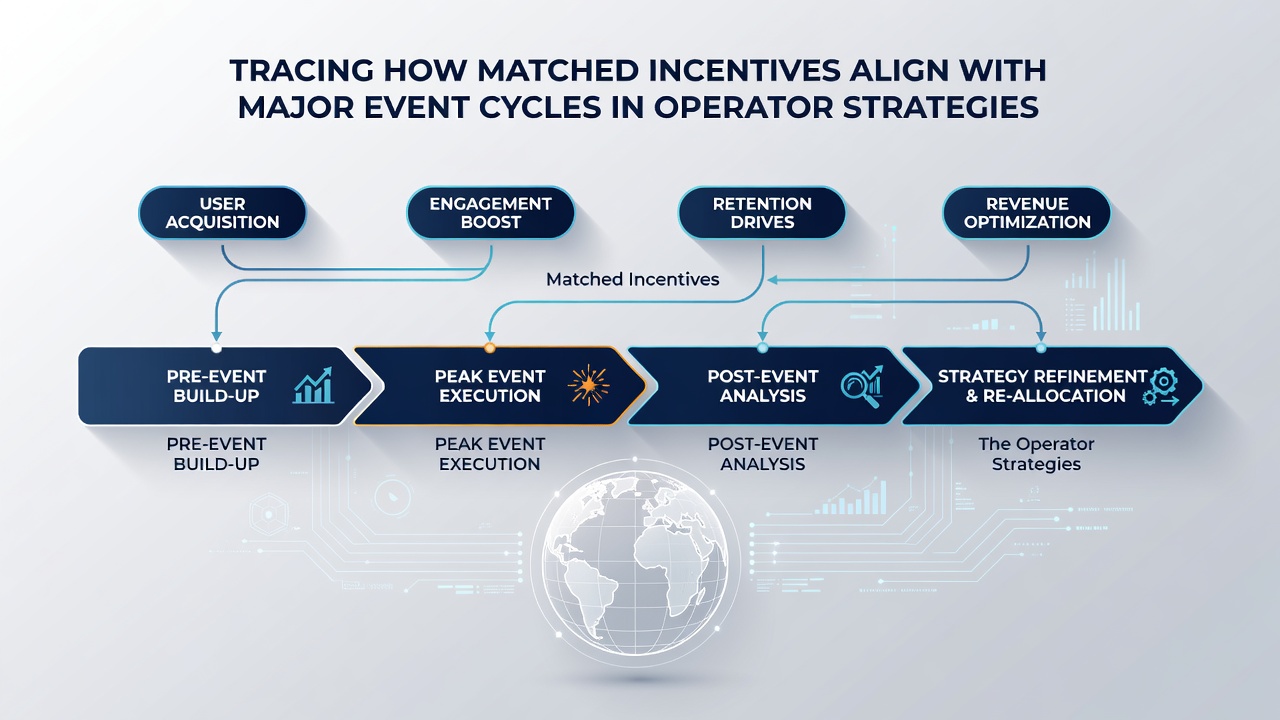
Research published by the American Gaming Association indicates that matched incentives during peak cycles generate measurable lifts in new account creation and first-deposit rates compared with non-event periods. The same reports note that operators reduce the generosity of matches immediately after events conclude, shifting instead toward retention-focused loyalty mechanics.
Mechanics Operators Deploy
Matched offers usually take the form of a percentage refund on initial deposits up to a stated cap, with wagering requirements calibrated to event duration. During July 2026, several platforms adjusted caps upward for Copa América and Wimbledon overlap, creating multi-week windows where users could access repeated matches across different sports. The sequencing allows operators to capture attention from distinct audience segments without exhausting bonus pools in a single push.
Operators also layer time-limited multipliers on accumulators or same-game parlays that activate only when specific matches occur. These mechanics appear in operator dashboards as automated triggers tied to fixture lists released months earlier, reducing the need for manual campaign resets.
Budget Allocation and Risk Controls
Financial planning documents released by listed gambling groups reveal that matched incentive budgets expand by 25 to 40 percent in the quarter containing major events. Risk teams apply stricter velocity checks on accounts opened during these windows because bonus abuse attempts rise in parallel. Automated systems flag patterns such as rapid deposit-withdrawal cycles or repeated use of the same payment method across multiple profiles.
Canadian provincial regulators have published aggregate figures showing that the proportion of promotional play increases during event months yet remains within acceptable responsible gambling thresholds when operators maintain clear disclosure of terms. Similar oversight frameworks exist in several EU member states, where advertising codes require prominent display of wagering requirements alongside matched offers.
Cross-Platform Synchronization
Larger groups that operate both sportsbooks and casinos coordinate matched incentives across verticals so that a deposit match on the sportsbook side can unlock free spins on the casino side once a qualifying bet settles. This approach appears most often around events that stretch across multiple weekends, giving users extended opportunities to cycle funds between products.
Payment processors report corresponding spikes in deposit volumes during these synchronized periods, with average transaction sizes growing as users seek to maximize the matched portion. Operators respond by tightening withdrawal processing times for verified accounts to maintain liquidity while still meeting bonus obligations.
Future Scheduling Considerations
Planning cycles for 2027 already incorporate lessons from 2026 event clustering, particularly around overlapping football and tennis calendars. Operators now build modular bonus engines that can activate or pause matched incentives based on fixture confirmations rather than fixed calendar dates. This flexibility reduces stranded marketing spend when events shift due to weather or geopolitical factors.
Conclusion
Matched incentives function as tactical levers that operators adjust in response to fixed event calendars rather than ad-hoc decisions. The alignment produces measurable differences in acquisition costs and retention curves across regions, and regulatory reporting continues to track how these promotions interact with player behavior during concentrated activity windows. Observers note that the underlying data infrastructure supporting these campaigns grows more sophisticated each cycle, allowing finer calibration between incentive size, event duration, and risk exposure.