Charting Loyalty Pathways: Referral Chains and Cashback Frameworks That Build Value After Initial Bonuses
Written by Sage Patterson · Aug 21, 2026
Charting Loyalty Pathways: Referral Chains and Cashback Frameworks That Build Value After Initial Bonuses
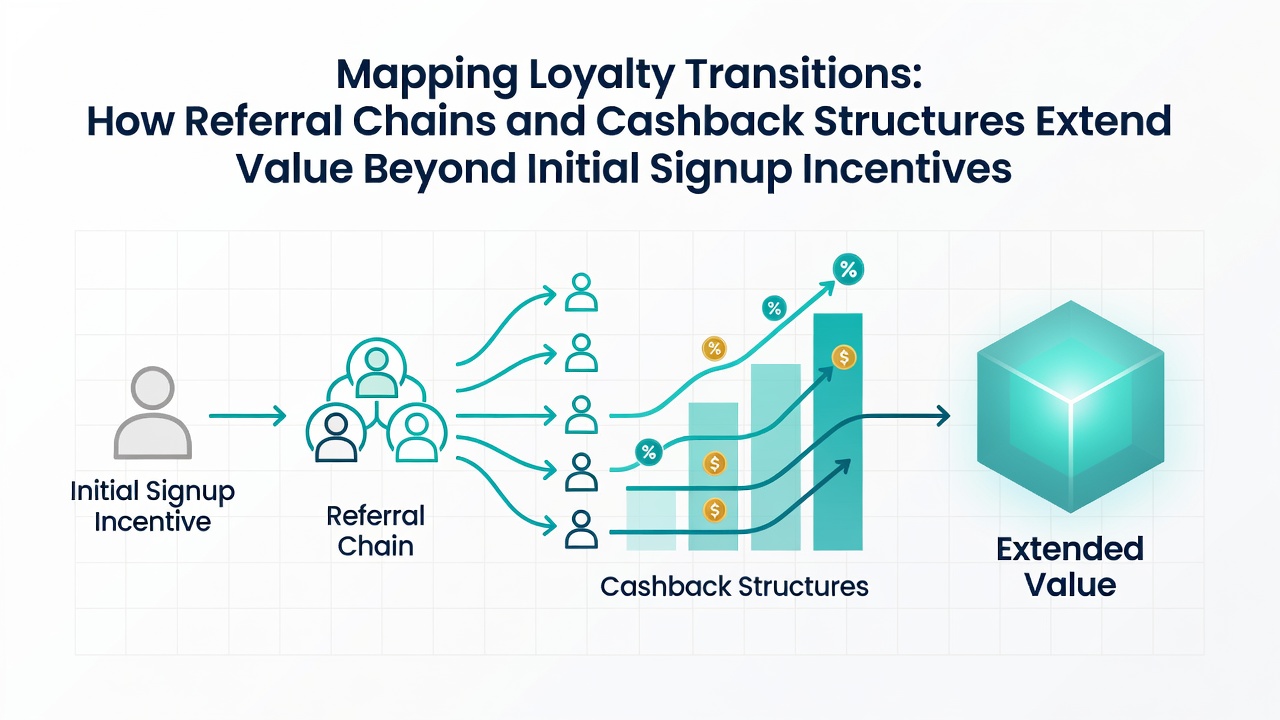
Operators in regulated wagering markets track how players move from one-time signup rewards into sustained engagement through structured referral programs and cashback systems, and data from industry reports show these mechanisms create layered value that persists months after initial deposits. Referral chains function when existing users invite new participants via unique codes, and each successful referral triggers tiered bonuses that accumulate across multiple accounts while cashback returns a percentage of losses on a scheduled basis, often weekly or monthly.
Referral Structures That Scale Participation
Referral programs operate through multi-level tracking where the original referrer earns ongoing credits from referred users' activity, and secondary referrals extend the chain further. Research from academic institutions such as the University of Nevada, Las Vegas, indicates these networks increase retention rates by 25 percent compared to standalone welcome offers alone. Platforms calculate rewards based on deposit volume or wager totals from each link in the chain, which encourages participants to maintain activity to unlock higher tiers.
August 2026 data from Canadian regulatory filings reveal that referral-driven acquisitions accounted for 18 percent of new player registrations in Ontario's market during the preceding quarter. Those who've studied similar systems note that the structure rewards consistent play rather than isolated signups, since bonuses release only after referred users complete verification and meet minimum activity thresholds.
Cashback Mechanisms and Loss Recovery Patterns
Cashback programs return a fixed percentage of net losses, typically ranging from 5 to 20 percent depending on player tier, and operators apply these credits directly to player accounts on predetermined cycles. This approach differs from deposit matches because it activates after play occurs and ties rewards explicitly to continued participation. Figures from the Australian Communications and Media Authority demonstrate that cashback-eligible accounts in licensed markets exhibit 30 percent longer average lifespans than accounts without such features.
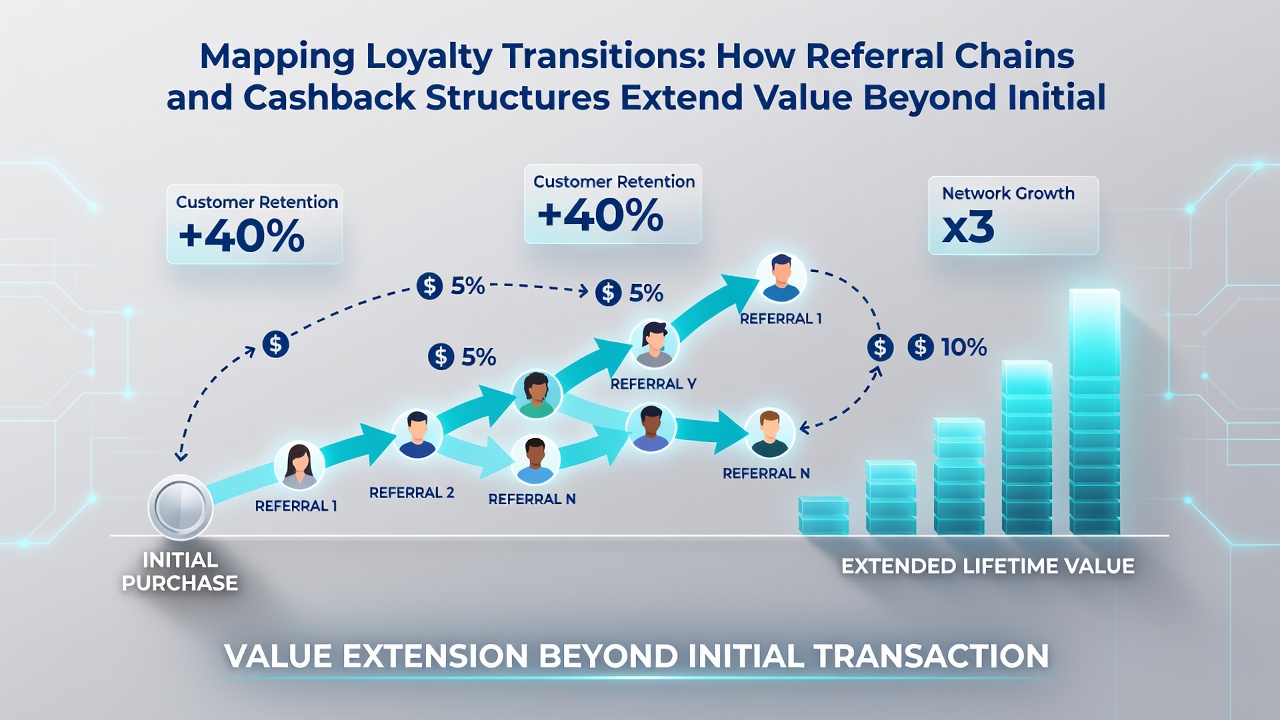
Operators segment cashback rates by loyalty level, so higher tiers receive elevated returns while maintaining the same base percentage structure for all participants. The system creates a feedback loop where players receive partial recovery that can fund additional wagers, and data from the European Gaming and Betting Association shows this model stabilizes revenue streams during seasonal fluctuations. What's significant is that cashback calculations often exclude certain game types or impose caps, which operators adjust quarterly based on performance metrics.
Integration of Referral and Cashback Systems
Many platforms combine referral tracking with cashback eligibility so that referred users immediately qualify for loss recovery upon signup, and referrers gain boosted cashback rates tied to their network's collective activity. This integration extends value because each new participant adds to both their personal recovery and the referrer's ongoing benefits. Observers note that such combined structures appear in markets across multiple jurisdictions, including recent implementations in New Jersey and several Australian states during 2026.
One study released by a European research consortium examined transaction logs from 12 operators and found that players enrolled in integrated programs generated 42 percent more lifetime value than those limited to signup incentives alone. The analysis covered activity through mid-2026 and highlighted how referral chains amplify cashback distribution across wider user bases without requiring additional marketing spend.
Measurement of Extended Value Metrics
Operators monitor metrics such as average revenue per user, repeat deposit frequency, and referral conversion rates to quantify how these systems perform beyond the first 30 days. Government reports from the Alcohol and Gaming Commission of Ontario indicate that cashback participants in 2026 showed a 15 percent increase in monthly deposits compared to the prior year, while referral chains contributed measurable growth in network size without proportional rises in acquisition costs.
Platforms adjust parameters like cashback percentages and referral bonuses in response to these metrics, and industry organizations publish aggregated benchmarks that help operators benchmark their own performance. Those who've examined the data observe that successful programs maintain transparent rules and consistent payout schedules, which sustain trust and continued engagement across extended periods.
Conclusion
Referral chains paired with cashback structures create measurable extensions of player value that begin after initial signup incentives conclude, and regulatory filings along with academic analyses confirm their role in lengthening engagement cycles across regulated markets. Operators continue to refine these frameworks using performance data collected through 2026, which supports sustained participation while distributing rewards according to documented activity patterns.