Cashback Cycles Fueling Repeat Play Patterns Among UK Online Bettors
Written by Sofia Bauer · Jul 21, 2026
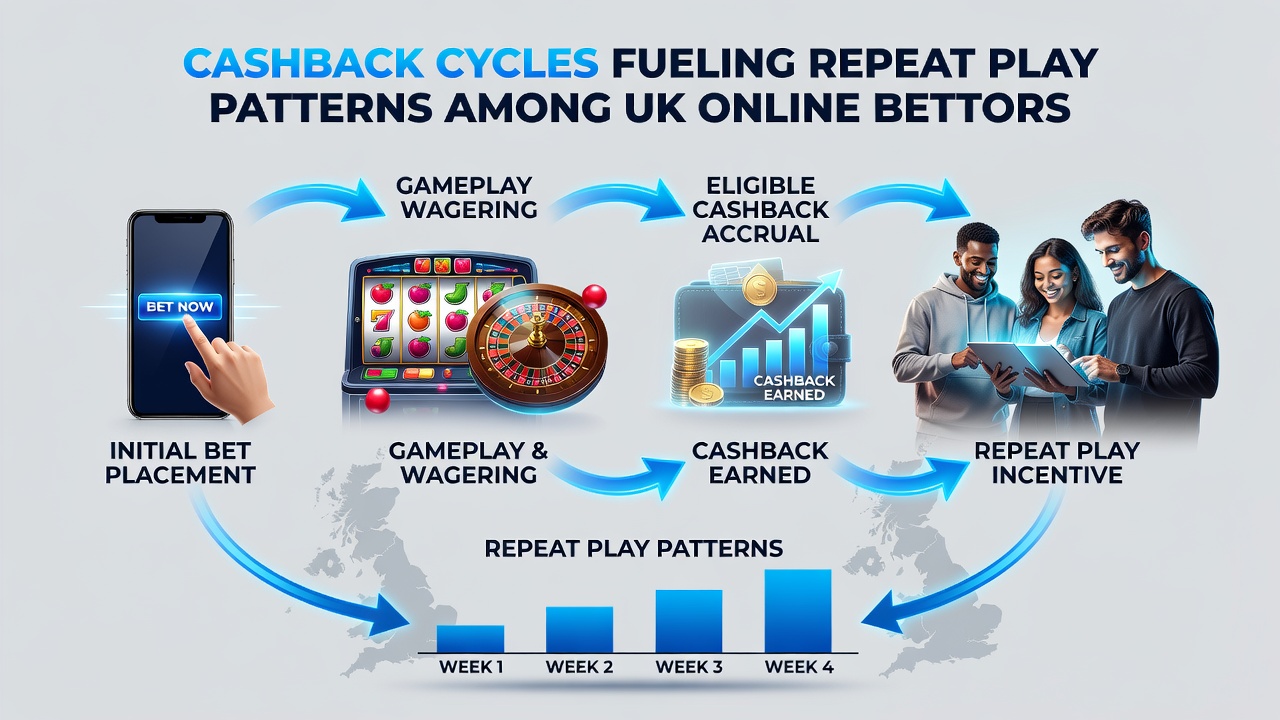
Cashback Incentives Driving Recurring Engagement Among UK Digital Bettors
Cashback programs have become a standard feature across many UK online betting platforms, where operators return a percentage of net losses to players over defined periods such as weekly or monthly cycles. These mechanisms create structured loops in which participants receive funds that can be used for further wagers, and data from industry tracking services shows consistent upticks in session frequency following cashback distributions. Operators typically structure these offers with tiers based on activity levels, and players who meet higher wagering thresholds receive larger return percentages. Research indicates that such graduated systems align with observed patterns where repeat deposits increase after cashback credits appear in accounts, particularly during periods of elevated sports schedules.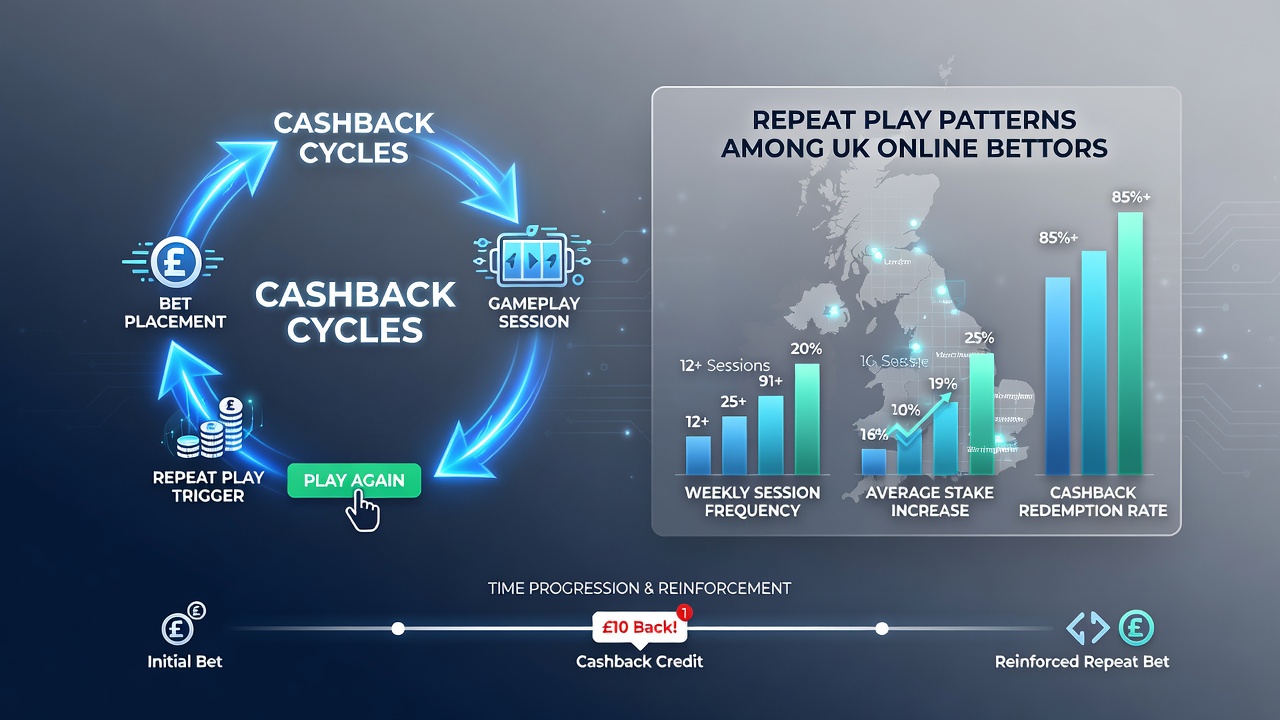
Cashback programs have become a standard feature across many UK online betting platforms, where operators return a percentage of net losses to players over defined periods such as weekly or monthly cycles. These mechanisms create structured loops in which participants receive funds that can be used for further wagers, and data from industry tracking services shows consistent upticks in session frequency following cashback distributions. Operators typically structure these offers with tiers based on activity levels, and players who meet higher wagering thresholds receive larger return percentages. Research indicates that such graduated systems align with observed patterns where repeat deposits increase after cashback credits appear in accounts, particularly during periods of elevated sports schedules.Mechanics Behind Cashback Return Structures
Most cashback schemes calculate returns on losses after deductions for any winnings, and they often apply caps or minimum thresholds before payouts trigger. Players receive these amounts as bonus funds or real money credits, with varying wagering requirements attached depending on the site. Those who've studied player data note that shorter calculation windows, such as daily or weekly resets, correlate with more frequent login patterns compared to monthly models. And the process repeats because the returned portion offsets prior losses, which in turn supports continued participation rather than complete withdrawal from the platform. Industry reports highlight that cashback percentages commonly range between five and twenty percent, with higher rates reserved for loyalty program members who maintain steady activity.Patterns of Repeat Participation Linked to Cashback Timing
Data shows spikes in betting volume immediately after cashback issuance dates, and these surges often extend across multiple days rather than single sessions. Observers tracking account behaviors find that users who receive cashback tend to initiate new deposits at rates higher than non-recipients during the same timeframe. This holds true across both sports betting and casino-style offerings, although the effect appears more pronounced in slots and accumulator markets. What's interesting is how the cycle reinforces itself through notification systems that alert players when cashback becomes available. Push messages and email reminders coincide with these distributions, and engagement metrics rise accordingly. In July 2026, several major platforms adjusted their cashback calendars to align with international tournament periods, resulting in documented increases in daily active users according to aggregated operator statistics.