Britain's Betting Reward Evolution: Cashback Models Driving Player Loyalty Cycles
Written by Xander Reed · Jun 16, 2026
Britain's Betting Reward Evolution: Cashback Models Driving Player Loyalty Cycles
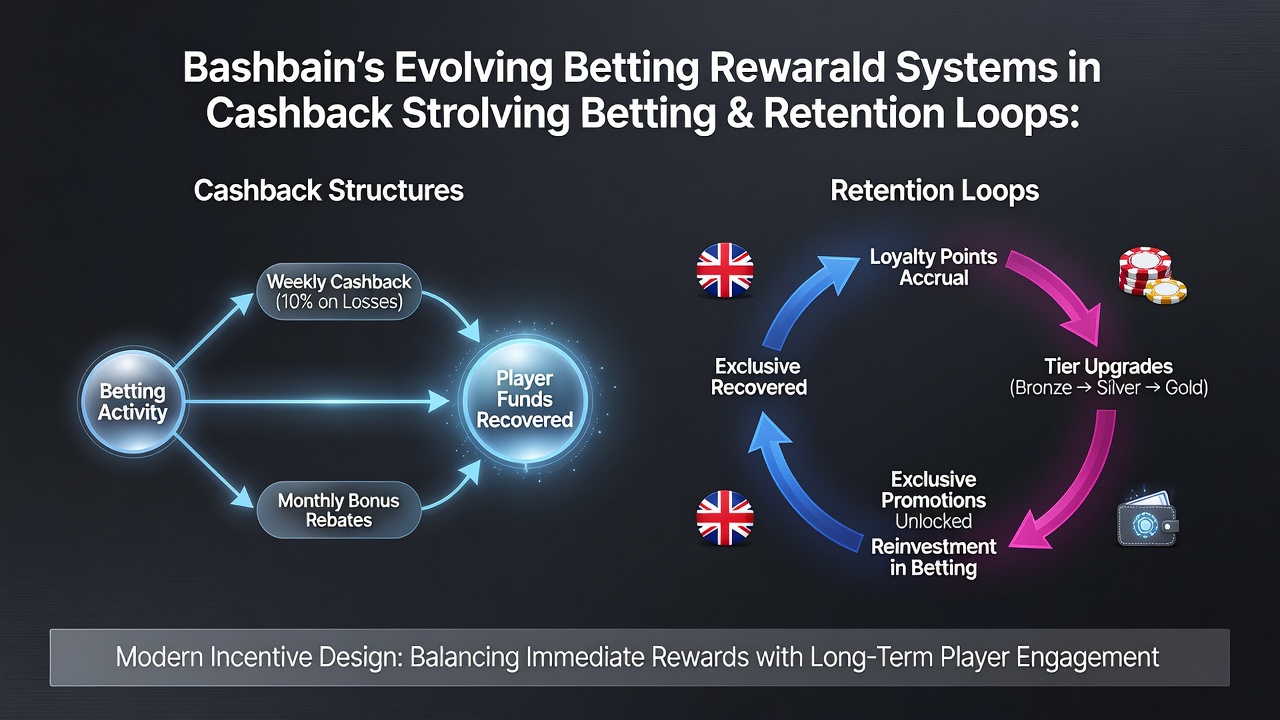
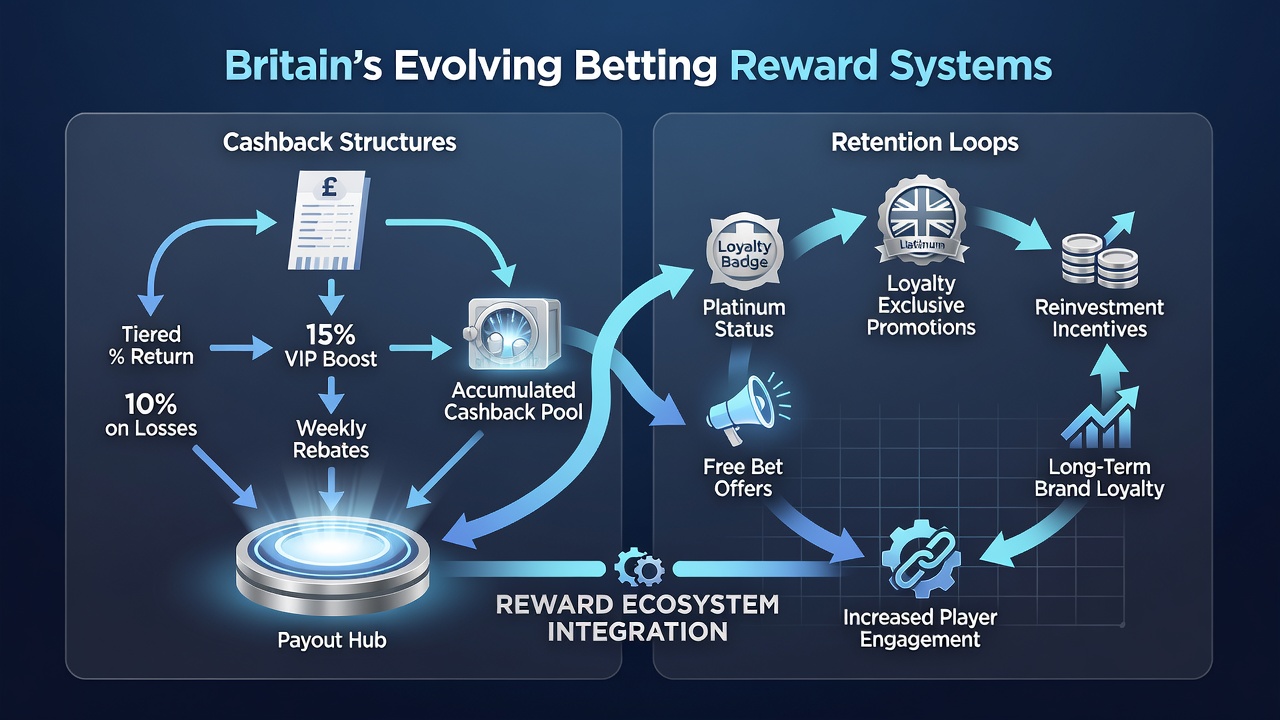
British betting operators have refined cashback structures over recent years to create layered retention loops that encourage repeated engagement, and these mechanisms combine percentage returns on losses with tiered loyalty points that unlock additional benefits. Data from industry reports indicate operators adjust cashback percentages between 5% and 15% depending on player activity levels, while retention loops integrate daily login rewards, weekly loss rebates, and milestone bonuses that reset on a monthly cycle. Observers note these systems gained traction as competition intensified among online platforms, and studies show operators track player deposit patterns to calibrate cashback thresholds that maximize repeat visits without exceeding regulatory spending limits.
Core Components of Cashback Structures
Cashback in Britain's betting sector operates through automated calculations that credit accounts after losses accumulate over defined periods, and platforms apply these credits as bonus funds that carry wagering requirements ranging from 5x to 20x. Research indicates many operators segment users into bronze, silver, and gold tiers where higher levels receive enhanced cashback rates plus priority access to special promotions. Those who've examined operator data note cashback often excludes certain bet types such as accumulator wagers, which directs player behavior toward single bets and live markets that generate steadier revenue streams for the platforms.
Operators frequently combine cashback with deposit matches that trigger additional loyalty points, creating a compounding effect where each deposit fuels both immediate play and future rebates. Figures from June 2026 reveal several major sites increased cashback caps for high-volume users during major football tournaments, and this adjustment coincided with measurable upticks in session lengths according to internal metrics shared at industry conferences.
Retention Loops and Their Mechanics
Retention loops function as interconnected reward sequences that begin with a welcome cashback offer and progress through escalating challenges such as placing a set number of bets or achieving a minimum stake total. These loops incorporate time-sensitive elements like weekend boosts and midweek loss rebates that reset player motivation at regular intervals. Experts have observed that successful loops balance generosity with friction points, such as minimum odds requirements on qualifying bets, which prevent excessive payouts while maintaining perceived value.
Platforms employ behavioral analytics to predict when a player might reduce activity and then deploy targeted cashback notifications via email or app alerts. Data shows these interventions can lift retention rates by prompting users to return within 48 hours of a notification, and analysts track metrics including time between deposits and average stake size to refine loop timing. One study revealed that players who complete three consecutive loyalty tiers show a 40% higher likelihood of remaining active over the following quarter.
Regional and Regulatory Context
British platforms must align cashback structures with broader European standards while differentiating from markets such as Australia, where the Australian Gambling Research Centre has documented similar loyalty mechanisms. Operators in Britain often reference guidelines from bodies like the Malta Gaming Authority when designing cross-border promotions, and these influences appear in how cashback is disclosed to users. In June 2026, several platforms introduced cashback that automatically converts into free bets after a holding period, a change that mirrors practices observed in Canadian provincial frameworks.
Industry organizations such as the European Gaming and Betting Association have published overviews of how retention tools evolve across jurisdictions, and these reports highlight Britain's emphasis on loss-based rebates rather than win-based bonuses. Operators adapt their loops seasonally, increasing cashback during quieter summer months to offset reduced football activity and shifting focus toward horse racing and tennis events that attract different player demographics.
Player Behavior Patterns and Platform Adjustments
Players interact with cashback structures through mobile apps that display real-time rebate progress, and this visibility encourages continued betting to reach the next payout threshold. Research indicates users who receive weekly cashback statements place more bets on average than those without such feedback, though the effect varies by game type. Sports bettors tend to chase cashback through higher-stake singles while casino players often spread activity across slots and table games to meet volume targets.
Platforms refine retention loops by analyzing churn data and introducing new tiers or surprise cashback events when engagement metrics dip. Observers note that June 2026 saw increased adoption of hybrid loops that blend cashback with accumulator insurance, protecting a portion of stake on multi-leg bets and thereby sustaining player interest across longer events. These adjustments occur against a backdrop of steady platform investment in data infrastructure that supports personalized reward delivery.
Conclusion
Cashback structures and retention loops continue to shape Britain's betting reward landscape through iterative design that responds to player activity data and regulatory expectations. Operators maintain these systems by balancing payout generosity against revenue targets, and the resulting cycles keep users engaged across multiple sessions. As of June 2026, the mechanisms reflect both domestic competition and international influences that encourage ongoing refinement of loyalty features.