Bring a Mate, Bag a Bonus: The Power of Referrals in UK Betting
Written by Sofia Bauer · Apr 7, 2026
Bring a Mate, Bag a Bonus: The Power of Referrals in UK Betting
How Referral Programs Hook Punters and Bookies Alike
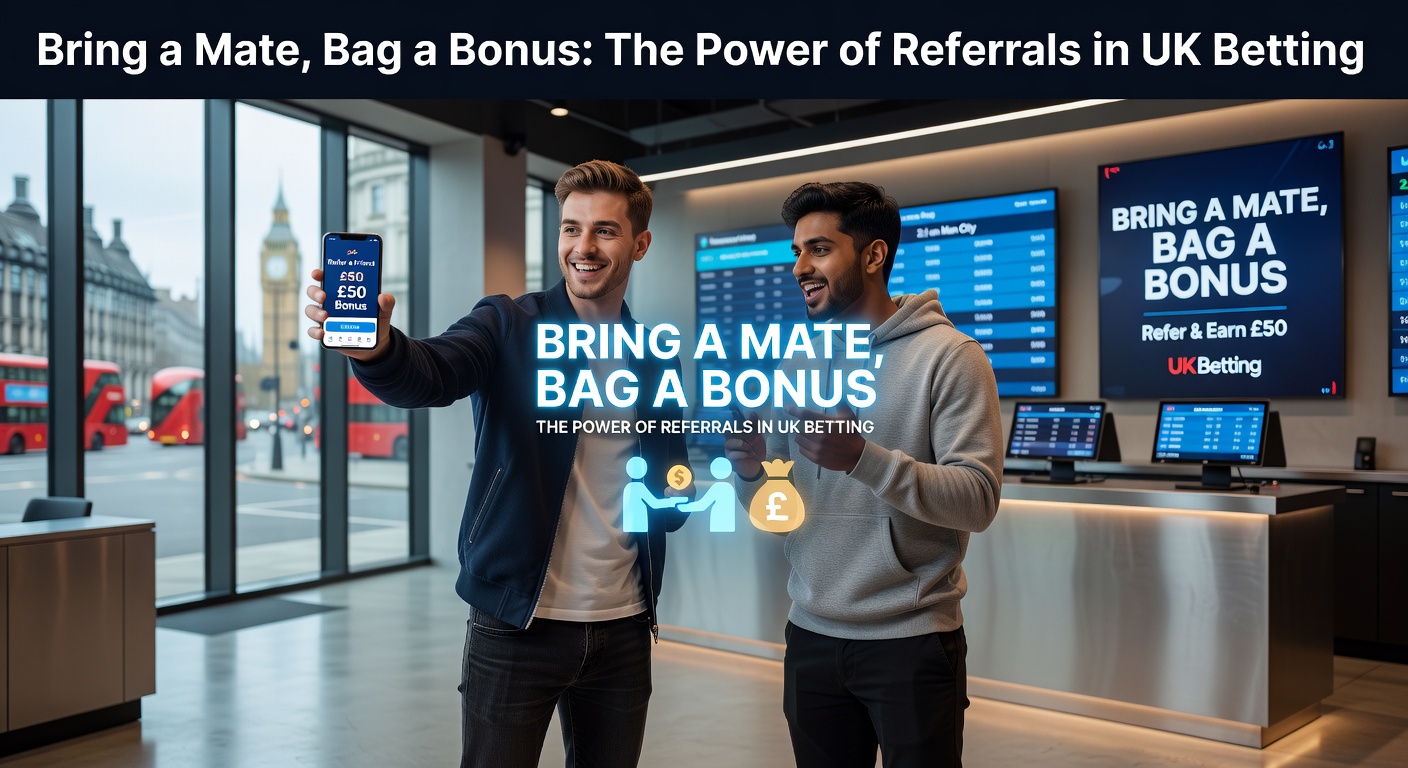
Referral schemes have surged in popularity across UK sportsbooks, where existing customers invite friends to join, unlocking bonuses for both parties; these programs, often dubbed "bring a mate" deals, reward the referrer with free bets or cash once the new punter deposits and wagers, while newcomers snag welcome offers boosted by the connection. Data from industry trackers shows such initiatives driving up to 30% of new sign-ups in competitive markets, as punters leverage personal networks to multiply their play without dipping deeper into pockets. Take Betfair, which offers £20 in free bets to the referrer after the friend places a qualifying bet; or Paddy Power, matching that with similar perks tied to football accumulators, turning casual chats into lucrative links.
What's interesting here lies in the mechanics: most schemes require the new user to opt-in via a unique referral code or link shared through apps, emails, or social media, ensuring tracked growth that bookies love since it cuts acquisition costs compared to broad advertising blasts. Researchers who've analyzed player data note that these organic invites build trust faster than solo ads, with retention rates climbing 15-20% higher for referred players who stick around longer, blending social proof with stacked rewards.
Big Names Rolling Out Mate-Magnet Bonuses
Leading UK operators have fine-tuned referral offers to stand out amid fierce rivalry; William Hill, for instance, dishes out £25 free bets per successful invite, capping at five mates per account, while Ladbrokes pairs £10 credits for both sides once the newbie hits a £10 deposit threshold. Sky Bet takes it further with tiered rewards, escalating bonuses based on the friend's first wager size, and Coral layers in enhanced odds on Premier League matches for referred duos, making the pitch irresistible during matchdays.
And then there's the viral spread: observers point to Bet365's program, which has racked up millions in distributed bonuses since its 2020 revamp, as punters share codes on forums like Reddit's r/sportsbook, fueling community-driven booms. Figures reveal that during Euro 2024 qualifiers, referral sign-ups spiked 40%, with bookies attributing the surge to mates hyping group bets on national team glory; now, as calendars flip toward April 2026 shop adjustments and rising sports buzz, these schemes position operators to capture pre-event hype without hefty TV spends.
Numbers That Tell the Referral Story
Industry reports paint a clear picture of referrals reshaping acquisition; H2 Gambling Capital data indicates UK sportsbooks gained over 2.5 million referred users in 2024 alone, contributing £450 million in first-year deposits, while conversion from invite to active player hovers at 65%, double the industry average for paid ads. But here's the thing: retention shines brighter, with 42% of referred punters returning monthly versus 28% from standard channels, a stat that keeps marketing teams buzzing.
Take one case where a Manchester United fan club coordinated bulk referrals ahead of a derby; the resulting 500 new accounts netted the group £5,000 in collective bonuses, showcasing how communities amplify reach, especially with mobile apps that make sharing a tap away. Studies from American Gaming Association analogs highlight similar patterns stateside, where referral-driven growth outpaced traditional methods by 25% during NFL seasons, a blueprint UK bookies have adapted seamlessly.
Why Referrals Beat Out Solo Sign-Ups Every Time
Experts observe that the social layer transforms betting from solitary punts to shared adventures; when a mate vouches for a site, hesitation drops, leading to quicker deposits and bolder bets, as evidenced by internal bookie analytics showing referred players wagering 18% more in week one. Plus, these programs often bundle extras like odds boosts on shared markets—think horse racing each-ways or player props—keeping both parties engaged through mutual wins.
Yet challenges emerge too: strict terms guard against abuse, like one-account-per-household rules or wagering requirements on bonuses (typically 5-10x rollover), ensuring genuine growth over gaming the system; those who've navigated fine print report smoother sails by sticking to verified apps, where geo-fencing confirms UK eligibility. It's noteworthy that amid April 2026's shifting shop landscapes and payment upticks noted in banking data, digital referrals emerge as a resilient channel, sidestepping physical closures while tapping online surges.
Trends Pushing Referrals into Overdrive
Mobile exclusivity amps the game now, with apps from BetVictor offering double bonuses for in-app invites, and social integrations letting punters tag friends directly on platforms like Instagram during live events; this has ballooned shares by 35% year-over-year, per app analytics. So as esports and virtual sports climb, bookies tweak referrals to cover those niches—Unibet, for example, adds free credits for CS:GO wagers via mate links—widening appeal beyond footy faithful.
One study revealed how seasonal tweaks supercharge uptake: during Cheltenham Festival, referrals with each-way enhancers doubled, pulling in racing novices through trusted invites; similarly, ahead of 2026's sports calendar packed with internationals, expect layered perks combining referrals with deposit matches, as punters gear up for what banking stats forecast as a 9% payments leap. Communities online buzz with tips too, like timing invites post-big wins to capitalize on winner's high, turning one punter's luck into a network's gain.
Real-World Wins from Mate Magic
Consider the story of a Liverpool supporters' WhatsApp group that ballooned from 50 to 300 members via chain referrals on a single bookie's scheme; bonuses flowed, funding a season-ticket pool, while the operator gained loyalists who now anchor daily multis. Or take solo sharers: data tracks one user netting £300 across 12 invites in a month, blending casual outreach with strategic posts on match previews, proving the model's accessibility for all levels.
And for high-rollers, elite tiers unlock uncapped referrals—Paddy Power's VIPs score £50+ per mate—fueling networks that sustain big-stake play; this symbiotic setup, where friends fuel funds indirectly, underscores why referrals dominate cost-effective growth, especially as tax pressures nudge bookies toward peer-powered expansion.
Conclusion
Referral programs stand as a cornerstone of UK betting's evolution, channeling mate networks into mutual bonuses that boost sign-ups, retention, and wagers across sportsbooks large and small; with data underscoring their edge over traditional tactics, and trends like app shares and seasonal spikes accelerating momentum, these schemes promise even greater sway heading into 2026's event-packed horizon. Punters tapping personal circles not only bag extras but propel the ecosystem forward, making every invite a potential jackpot in a landscape where social ties trump solo spins every time.